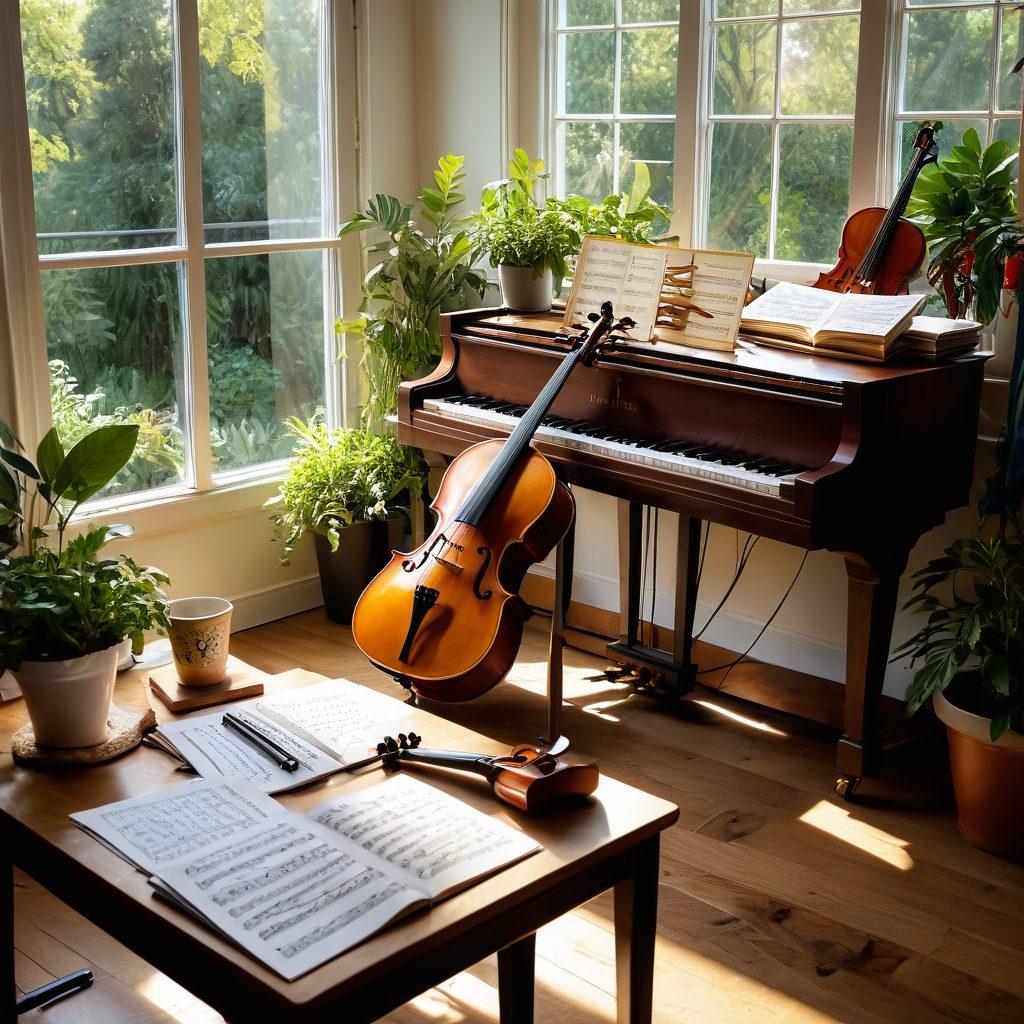
Unleashing Creativity: Mastering Music Notation and Composition Techniques
Welcome to a world where notes dance on pages, and rhythms bounce to life—welcome to music notation. If you've ever wished to dive deeper into the enchanting domain of creating captivating scores, you've hit the right note. Unraveling the secrets of music notation not only opens up pathways for composing your musical masterpieces but also enriches your overall music education. How can one translate feelings and stories into symbols that musicians can interpret with their instruments? As a composer, mastering these techniques can transform your imagination into performance scores that leave audiences breathless.
Imagine walking into a room filled with musicians, each equipped not only with their instruments but with beautifully crafted sheet music that you wrote. It's a dreamy scene, isn’t it? This journey starts with understanding musical notation, the language of music. Whether you’re jotting down a simple melody or orchestrating a complex symphony, mastering musical notation is key. It is through notation practice that composers convey their ideas with clarity, and in doing so, they become the architects of sound. What if I told you that learning music notation could be as gratifying as playing your favorite song?
In music blogging and composition, the emphasis often falls on artistry, but at the heart of every great song lies a solid foundation of music theory. Insight into music analysis and music techniques allows you to explore different music genres and styles. By embracing various musical exercises and tutorials, you can unleash your creativity while crafting music arrangements that resonate with emotion. Have you ever considered the different interpretations your notes might inspire? That is the wonder of music notation; it adds depth and meaning to your ideas and invites performers to explore the nuances of your score as they breathe life into it.
Think of the best composers—Beethoven, Mozart, Bach. What do they all have in common? They understood the art of notation and how to manipulate it. Today, composers have at their disposal a plethora of music resources and notation software that simplify the process while expanding creative horizons. Notation software is a game-changer for modern musical exploration, allowing for easy editing, playback, and even sharing of your music with a global audience. With the right tools in hand, every aspiring musician can rise to become a skilled composer. How exciting is that?
Creating music is a journey that extends well beyond crafting a few measures—it's the essence of expressing something deeper. Engage in music discussions with fellow musicians, participate in online forums, and share your transcribed music with peers. These opportunities foster community and collaboration, enriching your learning experience. As you embark on this adventure of learning music, develop both your individual voice and your ability to collaborate with others. We all have stories to tell through music; what's yours? Dive into the world of music notation, and unlock doors to new creative realms waiting for you.
From Sheet Music to Masterpieces: Essential Techniques for Aspiring Composers
Every aspiring composer knows that the journey from sheet music to masterpieces is not always a straightforward path. The threads connecting musical scores and emotion can sometimes feel frayed, hampering our ability to translate feelings into notes. Have you ever wondered how some composers seem to effortlessly translate ideas and experiences into unforgettable melodies? The answer lies in mastering essential techniques, set against the backdrop of music notation and composition. In this blog, we will explore the essential tools and insights that will elevate your music composition skills and transform your notation practice into a powerful artistic endeavor.
To begin crafting your own musical reality, understanding the intricacies of music notation is vital. Music notation serves as the visual language of music, allowing composers to communicate ideas, emotions, and themes through symbols on a page. It’s equivalent to learning a new language—every note, rest, and dynamic contributes to a richer experience for the performer and audience. As you study music theory, let every lesson inspire you to create your own unique musical scores. How can you use notation software to simplify your practice? Which musical exercises will help you hone your skills? These questions are especially important; the more you immerse yourself in these resources, the more profound your understanding will be.
Think about your favorite piece of music—what makes it resonate with you? Often, it’s the intricate dance of melodies and harmonies, stitched together through thoughtful music arrangements. As an aspiring composer, start your music exploration by analyzing the works of those you admire. Engage in music discussions with fellow enthusiasts and students, diving deep into the layers of composition that make each score not only playable but unforgettable. What can you learn from transcribed music? Perhaps a particularly compelling rhythm? Or an innovative approach to chord progressions that will inform your future music practice?
As you develop your musical voice, remember that learning music is a journey rather than a destination. Embrace the music education resources around you—be it music tutorials, online forums, or local workshops. Surrounding yourself with knowledge is key, as is the willingness to experiment with your musical techniques. Take risks in your musical compositions; paint outside the lines! Perhaps try fusing different music genres or creating a piece inspired by a moment in your life. These actions not only sharpen your skills but also pave the way for authenticity in your work.
Finally, never underestimate the power of sharing your work. Whether through music blogging or local performances, letting others hear your creations invites invaluable feedback and fosters connections within the music community. Remember, even the greatest composers started small, often sharing their drafts and creating musical insights that later influenced generations. As you mold your music performance and perfect your performance scores, keep the essence of your artistic journey alive. After all, the road from sheet music to masterpieces is paved with ingenuity, practice, and a sprinkle of inspiration. What masterpiece will you create today?
Dive into Music Theory: Enhance Your Composition Skills and Elevate Your Performances
Have you ever sat down to compose music, only to find yourself staring blankly at a sheet of paper or a music score, overwhelmed by the complexities of music theory? You're not alone. Many aspiring composers feel lost amid the intricacies of musical notation and composition techniques. What if I told you that diving into the world of music theory could not only unlock your creative potential but also enhance your performances? In this blog, we will explore how understanding music theory can transform your approach to music composition and elevate your skills, leading to more expressive and sophisticated musical arrangements.
Imagine a world where every note, every rest, and every dynamic marking works in harmony to create something beautiful. This is the power of music notation and music scores. Mastering these elements allows you to convey your ideas clearly and effectively. It’s like having a secret language that connects you to other musicians and listeners alike. Music not only serves as a form of expression but also as a means of communication. Have you considered how a well-structured piece can mesmerize an audience? Music theory gives you the tools to craft pieces that resonate deeply, turning mere notes on a page into captivating performances.
As you dive into music education and explore various musical genres, you’ll discover a treasure trove of music resources at your fingertips. Whether it’s instructional music tutorials, notation software, or transcribed music from your favorite composers, the options are endless. Engaging with these tools can breathe new life into your music practice. For instance, trying out different musical exercises can improve your notation practice and help you grasp complex music techniques faster. Remember, the goal is to learn and grow. What’s stopping you from picking up that new scale or rhythm you’ve always been curious about?
The journey of learning music is not just about technical skills; it’s about music exploration and discovery. Embrace the process by incorporating music analysis into your repertoire. Analyze the works of composers you admire and dissect their musical scores. What decisions did they make in their arrangements? How did they use musical notation to communicate emotion and intent? These questions can guide you toward developing your own signature style. Furthermore, consider starting a music blog to document your experiences, insights, and discoveries. Not only will this enhance your understanding of music composition, but it will also create a space for meaningful music discussions with fellow enthusiasts.
Lastly, never underestimate the power of perseverance in your music practice. Building your skills in music notation and composition techniques takes time and commitment. Amidst the frustrations, remember the enchanting moment your own composition finally comes to life – and with it, the excitement of performing it for an audience. Armed with your newfound knowledge of music theory, you’ll be well-equipped to elevate your musical performances. So, are you ready to dive deep into these concepts and allow your creativity to flourish? The world of musical scores awaits, and who knows, you might just create the next great masterpiece!